Decoding Interconnected Reward Pathways Across Worldwide Gambling Resource Networks
Written by Theo Simon · Oct 20, 2026
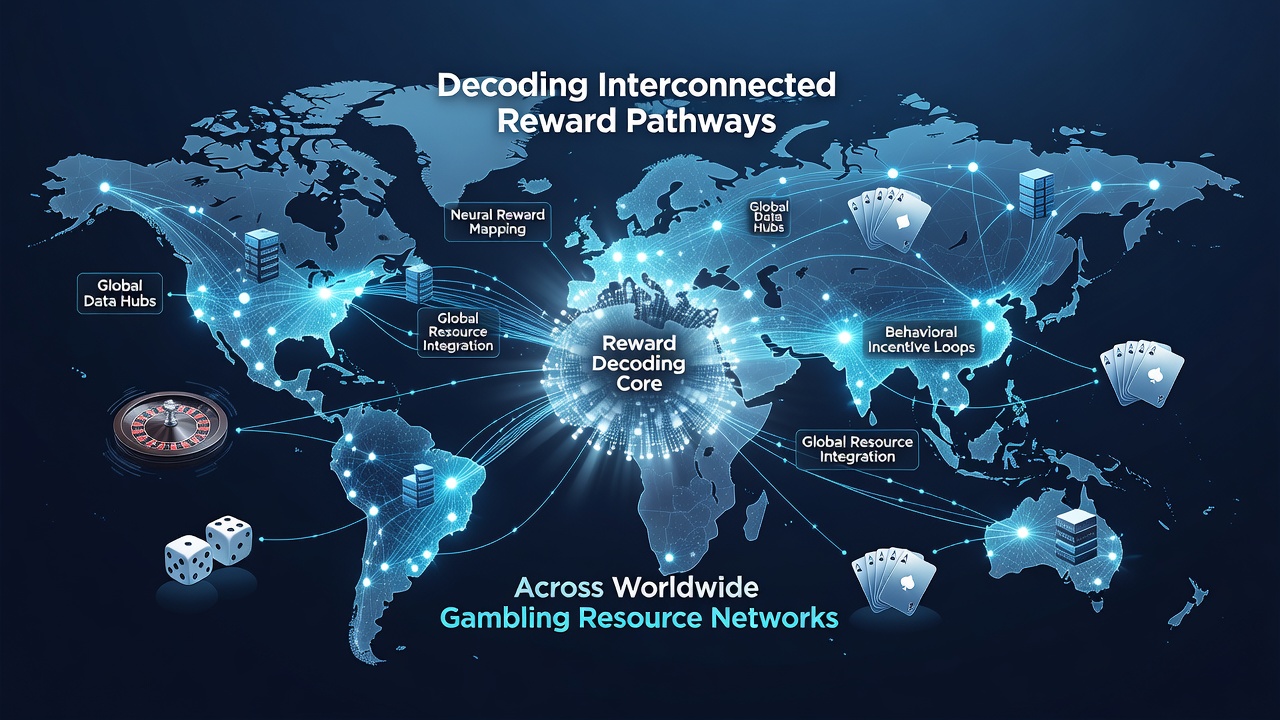
Decoding Interconnected Reward Pathways Across Worldwide Gambling Resource Networks
Global gambling resource networks operate through layered reward pathways that connect player accounts, bonus structures, and data exchanges across multiple jurisdictions, and observers note these systems have grown more intricate by October 2026 as operators integrate cross-border platforms with shared loyalty frameworks. Research from regulatory bodies indicates that reward distribution now depends on synchronized algorithms which track session behaviors, deposit patterns, and engagement signals in real time, while data flows between servers in different countries allow operators to adjust incentives without resetting user profiles.
Core Mechanisms Behind Cross-Border Reward Flows
Operators link reward pathways through centralized databases that pull information from mobile applications, desktop sites, and live dealer environments, and studies show this integration enables seamless transfer of loyalty points or bonus credits when players move between regions. In practice the process begins with account verification that feeds into a shared ledger, after which algorithms calculate eligibility for tailored offers based on aggregated activity metrics collected from participating networks. Figures from industry reports reveal that such linkages reduced processing delays for reward redemptions by connecting previously isolated systems in North America, Europe, and Asia-Pacific markets.
One study conducted across multiple jurisdictions found that players who engage with interconnected platforms receive deposit-match incentives calculated from combined play histories rather than single-site data alone, and this approach relies on standardized data protocols that emerged after 2024 updates to international gambling software standards. Regulatory updates in October 2026 further refined reporting requirements for these pathways in several Canadian provinces, requiring operators to disclose how reward calculations incorporate data from overseas partners.
Regional Variations in Network Integration
North American markets demonstrate distinct patterns where state-level regulators coordinate with federal oversight bodies to monitor reward pathway compliance, whereas European operators often route incentives through centralized hubs managed by multi-country consortia. Australian research groups have documented similar expansions in which reward credits earned on local platforms convert directly into credits usable on partnered international sites, and data indicates conversion rates climbed steadily through mid-2026. Those who track these developments point to improved player retention figures tied directly to the reduced friction in moving between connected resources.
Meanwhile, emerging markets in Latin America and parts of Southeast Asia have adopted lighter integration models that still feed into the same global reward engines, allowing operators to test localized bonus structures before scaling them across wider networks. Government statistics from Singapore's regulatory authority highlight a measurable uptick in cross-network redemptions during the third quarter of 2026, reflecting broader adoption of unified tracking systems.
Technology Driving Pathway Synchronization
Advanced matching engines now sit at the center of these networks, processing millions of data points each hour to align reward offers with individual player profiles drawn from worldwide sources, and machine learning models refine these matches by analyzing correlations between session length, game type, and deposit frequency. Observers note that October 2026 brought incremental improvements in encryption standards that protect data moving through these pathways, reducing latency while maintaining compliance with privacy rules across borders. Industry associations such as the European Gaming and Betting Association have published technical briefs detailing how API connections facilitate real-time updates to bonus eligibility without requiring players to create separate accounts for each jurisdiction.
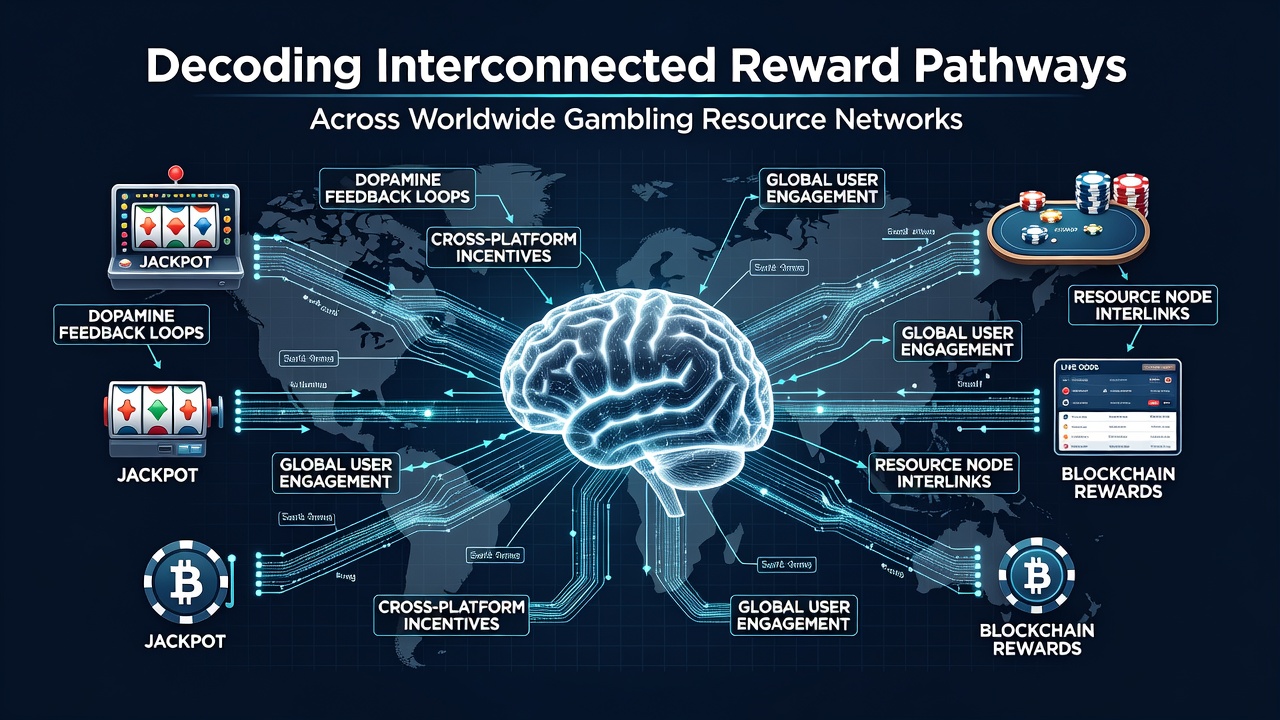
Additional case examples from Canadian provincial regulators show that integrated reward systems lowered administrative overhead for operators by consolidating verification steps, and similar efficiencies appear in reports issued by Australian research institutions tracking digital gambling trends. The result is a more fluid exchange where a player completing requirements on one platform automatically unlocks related incentives elsewhere in the network, provided the connecting protocols remain active.
Data Patterns and Regulatory Oversight
Analysis of engagement metrics collected through these interconnected pathways reveals consistent clusters of activity around progressive reward tiers, with higher-value incentives concentrated among accounts that span multiple regions. Regulatory filings submitted in October 2026 from various oversight bodies document increased scrutiny of how operators share user data to power these systems, and compliance teams now audit pathway algorithms for fairness in reward distribution. Research indicates that transparent reporting of these connections has helped standardize practices, particularly where cross-border data transfers intersect with local consumer protection rules.
Take the example of loyalty program mergers between operators in different time zones, where accumulated points convert at fixed rates that reflect both local currency values and platform-specific multipliers, and such conversions appear regularly in quarterly summaries released by trade organizations. Those monitoring the sector observe that these synchronized pathways also influence game feature availability, allowing operators to activate region-specific promotions based on collective player data rather than isolated metrics.
Conclusion
Interconnected reward pathways across worldwide gambling resource networks continue to evolve through coordinated technology, regulatory alignment, and data exchange protocols that link disparate markets into unified systems. October 2026 data releases from multiple government and industry sources confirm ongoing refinements in how operators calculate, distribute, and track rewards across borders. The resulting frameworks support more consistent player experiences while requiring sustained attention to compliance and technical standards that govern these global connections.