When Virtual Tables Meet Real-Time Analytics: How Live Gaming Adapts to Individual Preferences in Global Casino Apps
Written by Yara Lange · Sep 22, 2026

When Virtual Tables Meet Real-Time Analytics: How Live Gaming Adapts to Individual Preferences in Global Casino Apps
Live gaming platforms in global casino apps now integrate virtual tables with real-time analytics engines that track player actions, session patterns, and preference signals as games unfold, and developers adjust elements such as table speed, dealer interactions, and side-bet options on the fly to match those signals, while September 2026 reports from several regulatory bodies documented continued expansion of these systems across mobile markets in Europe, Asia, and North America.
Real-Time Data Streams in Live Dealer Environments
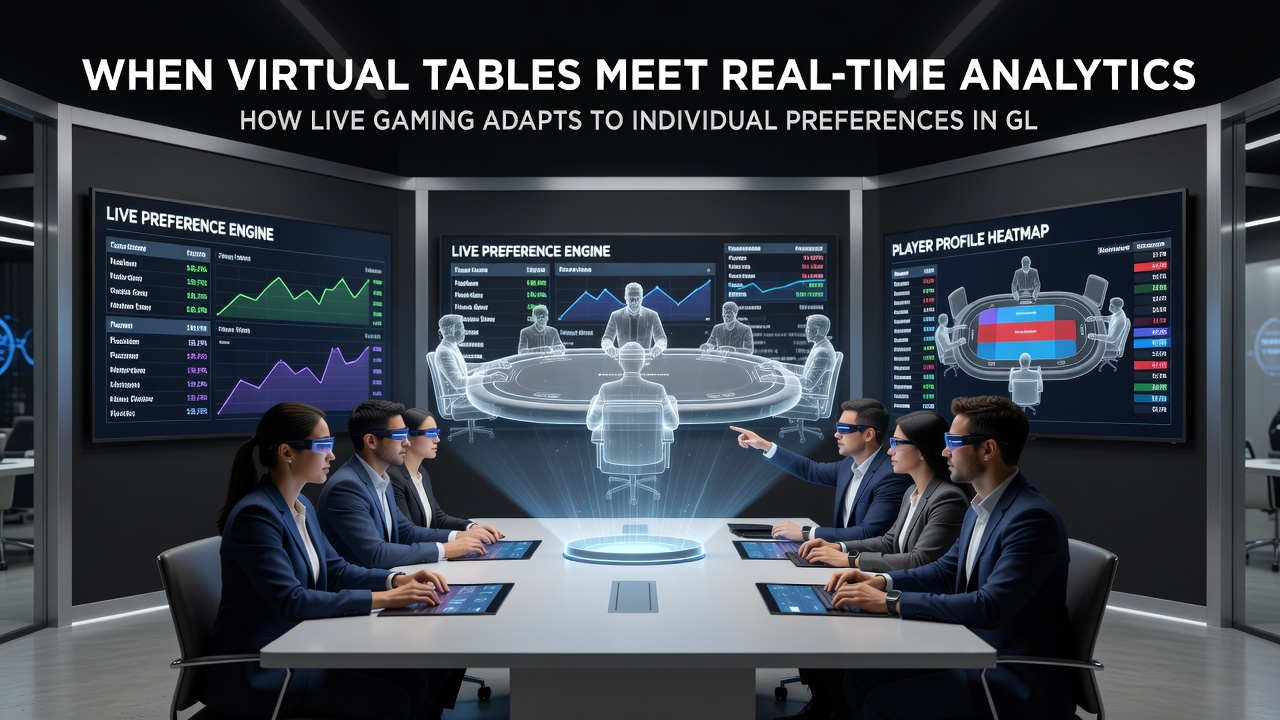
Virtual tables in casino apps transmit continuous data streams that capture bet sizes, decision timing, and game duration, and analytics platforms process these inputs within milliseconds to identify clusters of behavior, such as players who favor high-volatility side bets or those who prefer slower-paced rounds, while operators feed the resulting profiles back into the live interface so that camera angles, chat prompts, and bonus triggers shift accordingly without interrupting the session flow.
According to figures released by the Malta Gaming Authority in its 2026 quarterly summary, live dealer sessions accounted for over 45 percent of mobile handle in licensed markets, and the same report noted that platforms employing adaptive analytics recorded average session extensions of 12 to 18 minutes compared with static configurations.
Preference Mapping Through Aggregated Metrics
Developers compile anonymized datasets from millions of live hands to build preference maps that group users by region, device type, and time-of-day activity, and these maps inform rules engines that decide which virtual table variant appears first in a user’s lobby, while the same engines monitor whether the initial selection leads to continued play or prompt an immediate switch to an alternative table with different betting limits or dealer styles.
Research published by the University of Nevada, Reno’s International Gaming Institute in mid-2026 examined more than 2.3 million live sessions across four continents and found that 68 percent of players encountered at least one table reconfiguration during a single login, with the majority of adjustments occurring within the first four minutes of play.
Implementation Across International Markets
In Southeast Asian markets, operators have linked live baccarat tables to regional payment rhythms so that table minimums and commission structures adjust when analytics detect clusters of high-frequency bettors during evening peak hours, and similar linkages appear in European apps where blackjack tables modify shoe penetration rates based on observed player risk tolerance derived from prior sessions, whereas North American platforms focus on tailoring roulette wheel speeds and call frequencies to match documented preferences for faster or more deliberate pacing.
Canadian regulators at the Alcohol and Gaming Commission of Ontario published compliance guidelines in September 2026 that require operators to log all automated table changes and provide players with opt-out controls, and the guidelines also mandate transparent disclosure when analytics influence game parameters in real time.
Technical Architecture Supporting Adaptation
Modern live gaming stacks combine edge computing nodes located near data centers with centralized machine-learning models that retrain nightly on fresh session logs, and these models output probability scores for each potential table variant so that the app can preload the most likely next configuration before the player finishes the current round, while latency remains under 150 milliseconds in most documented deployments across five continents.
Industry reports from the European Gaming and Betting Association indicate that 82 percent of licensed live operators in the EU had deployed some form of preference-adaptive live table by the third quarter of 2026, and the same reports recorded a 23 percent reduction in player-initiated table switches after the introduction of these systems.
Regulatory and Data-Protection Considerations
Global frameworks require that any real-time adaptation respect data-minimization principles, and operators must separate personally identifiable information from behavioral signals before feeding them into analytics pipelines, while audit trails capture every automated change so regulators can verify that adaptations remain within approved parameters and do not introduce unfair advantage or disadvantage to any player cohort.
September 2026 enforcement actions in two Asian jurisdictions underscored the need for clear documentation of analytics logic, and those actions resulted in updated technical standards that now require third-party review of adaptation algorithms prior to deployment.
Conclusion
Virtual tables and real-time analytics continue to converge in global casino apps as operators refine methods for matching live game parameters to individual preferences, and the technical and regulatory developments observed through September 2026 illustrate a maturing ecosystem in which data streams inform immediate adjustments while remaining subject to oversight from multiple jurisdictions.